Tour Overview
Book Tanzania Safari with Us!
Discover the ultimate Kilimanjaro climbing packing list for a safe and successful trek. Learn which clothing, gear, and essentials to bring for summit success.
The Kilimanjaro Climbing Packing List guide is essential for travelers planning to summit Africa’s highest peak. Proper gear and preparation are crucial for safety, comfort, and success at high altitudes. Kilimanjaro features a range of climates, from tropical base forests to icy alpine zones, so packing the right clothing, equipment, and personal items is vital. This guide provides a comprehensive checklist including trekking essentials, clothing layers, footwear, sleeping gear, medical supplies, and optional items for photography and personal comfort. Following this packing list ensures climbers are prepared for changing weather, altitude challenges, and long days on the trail while maximizing safety and enjoyment.
🗺️
More Details
Kilimanjaro Climbing Packing List
Clothing Essentials
- Moisture-wicking base layers (tops and bottoms) for sweat management.
- Insulating mid-layers (fleece or down jacket) for warmth during cold nights.
- Waterproof and windproof outer shell jacket and pants for rain and snow protection.
- Lightweight trekking pants and shorts for lower altitude hikes.
- Thermal underwear for high-altitude layers.
- Trekking shirts with long and short sleeves for sun protection.
- Warm hat, gloves, and buff or neck gaiter for summit cold.
- Wide-brimmed hat or cap for sun protection at lower altitudes.
Footwear
- Sturdy, waterproof trekking boots with ankle support.
- Trekking socks (synthetic or wool) and liner socks for blister prevention.
- Gaiters to protect boots from mud, snow, or scree.
- Comfortable shoes or sandals for evenings at the camp.
Backpack & Storage
- Daypack (20–30L) for daily essentials during trekking.
- Waterproof dry bags or zip-lock bags to protect clothing and electronics.
- Compression sacks for efficient packing of sleeping bags and clothing.
Sleeping Gear
- Four-season sleeping bag rated for sub-zero temperatures.
- Sleeping bag liner for extra warmth and hygiene.
- Optional inflatable sleeping pad or foam mat for comfort.
Medical & Personal Items
- Personal medications and prescriptions.
- First-aid kit with bandages, antiseptic, painkillers, and blister treatment.
- Sunscreen (high SPF) and lip balm with sun protection.
- Insect repellent to protect against mosquitoes at lower altitudes.
- Water purification tablets or filter system.
- Hand sanitizer and wet wipes.
Hydration & Nutrition
- Reusable water bottles or hydration bladder (minimum 2 liters capacity).
- Electrolyte powders or tablets to maintain hydration.
- Snacks such as energy bars, nuts, or dried fruit for trekking days.
Optional Items
- Camera or smartphone for photography with extra batteries or power bank.
- Trekking poles to reduce strain on knees during steep ascents and descents.
- Notebook or journal for recording your trekking experience.
- Binoculars for wildlife viewing at lower slopes.
- Book or entertainment for evenings at camp.
Tips for Packing Efficiently
- Pack in layers to easily adjust to changing temperatures.
- Use lightweight, moisture-wicking, and quick-dry clothing where possible.
- Distribute weight between your main bag and daypack to reduce fatigue.
- Label bags and keep valuables close during transport and trekking.
- Check airline baggage limits and plan accordingly for gear transport.
FAQs About Kilimanjaro Climbing Packing
1. What clothing is essential for the summit?
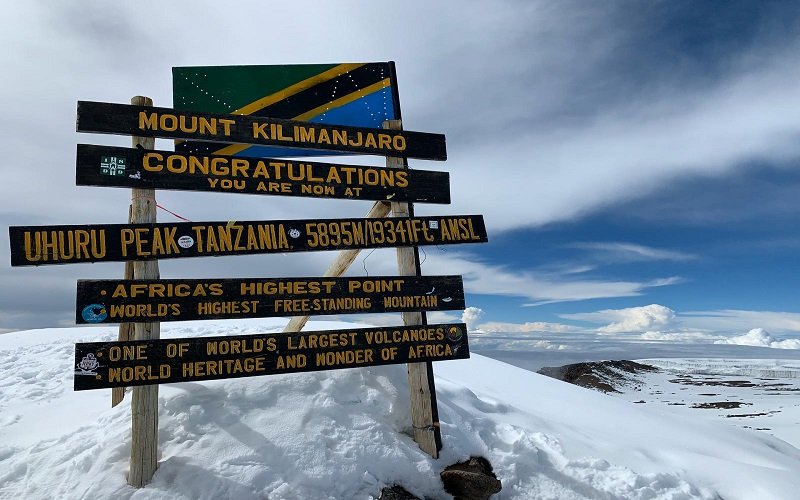
Warm layers, thermal underwear, insulated jackets, gloves, and a hat are essential for sub-zero temperatures near Uhuru Peak.
2. Do I need trekking poles?
Trekking poles are optional but recommended for stability, especially during steep ascents and descents, reducing knee strain.
3. What footwear is best for Kilimanjaro?
Waterproof trekking boots with ankle support, along with synthetic or wool socks, are ideal for comfort and protection.
4. How should I manage my backpack?
Carry a small daypack with essentials like water, snacks, camera, warm layers, and sun protection. Keep heavier items in your main bag carried by porters.
5. Are there special items for high-altitude hiking?
Yes, including thermal layers, insulated sleeping bags, sunscreen, lip balm, and a buff or scarf to protect against cold and wind.
6. Can I rent equipment on Kilimanjaro?
Yes, some trekking companies provide rental options for sleeping bags, trekking poles, and jackets. However, personal gear ensures hygiene and comfort.
Booking Form
Top Destinations in Tanzania
Tour Price Covered/Not Covered
All park fees & entrance tickets for selected destinations
Accommodation (budget/lodge/campsite depending on tour type)
Meals as per itinerary (breakfast, lunch, and dinner)
Transportation in 4x4 safari vehicles / tour-specific vehicles
Professional English-speaking guide or driver-guide
International flights and airport taxes
Travel insurance and personal expenses
Tips for the crew(high recommended)
Beverages, snacks, or meals not mentioned in the itinerary
Optional activities not listed in the itinerary